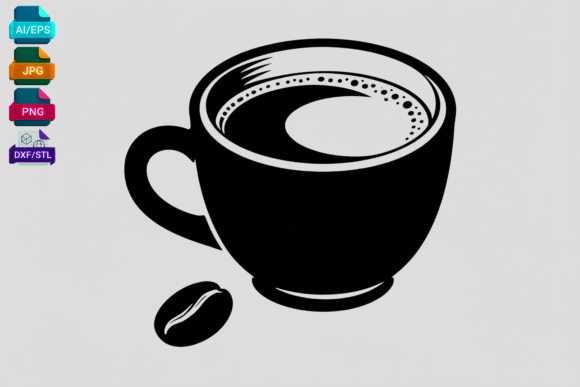
Coffee Cup SVG and Coffee Bean Clipart for Crafts and Graphics
When I first opened the Coffee Cup SVG and Coffee Bean Clipart bundle, I was preparing visual concepts for a local coffee roaster rebranding project. The client wanted a warm, artisanal feel that still felt professional enough for retail packaging and social media. My first impression of this design asset was that it leans into a handcrafted, cozy aesthetic. The coffee cup silhouette carries a classic diner-meets-specialty-shop mood, while the bean accents add a natural, organic texture. The style feels deliberately approachable, not overly polished or sterile. It is the kind of illustration that works well for small businesses, boutique product lines, seasonal campaigns, or any brand that wants to communicate warmth and authenticity. As a graphic design asset, it immediately signals comfort, craft, and quality without trying too hard.
First Impressions and Visual Mood
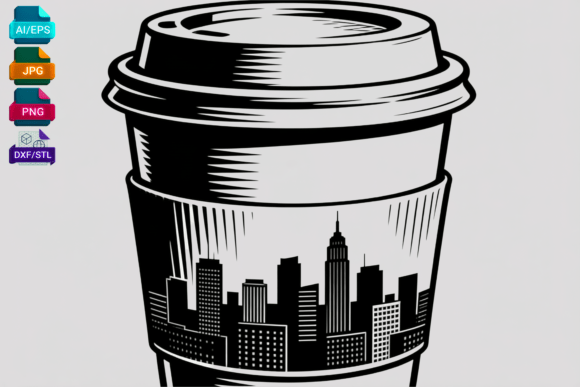
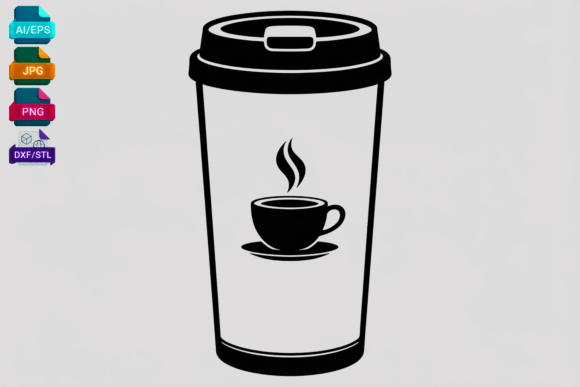
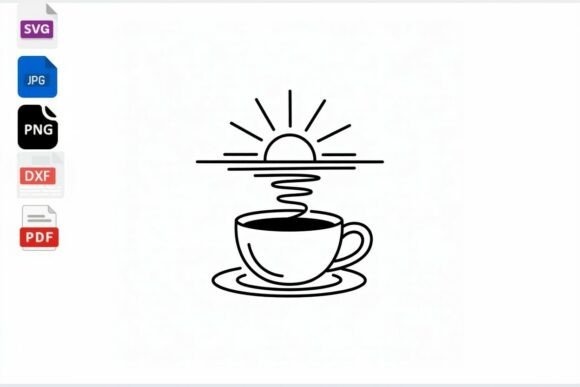
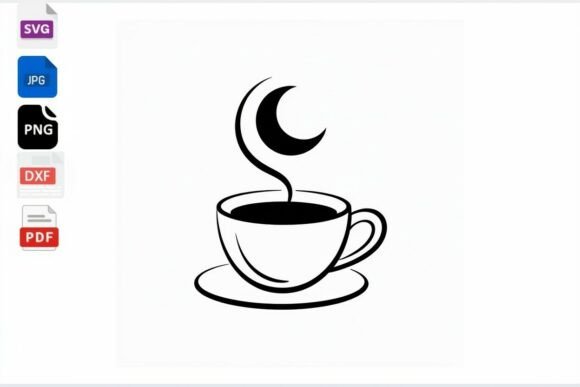
The visual language of the Coffee Cup SVG and Coffee Bean Clipart is grounded in clean outlines and friendly proportions. The cup shape is recognizable at a glance, and the bean details add just enough character to keep the design from feeling generic. For a designer working on brand identity, packaging design, or marketing visuals, this bundle offers a versatile starting point. The mood is casual but intentional, with a slight vintage undertone. It does not feel trendy in a disposable way, which is important when you are building something that needs to last through multiple seasons or campaigns. I immediately thought of small coffee shops, farmers market vendors, subscription box brands, and handmade goods businesses. The design would also fit a cozy café-themed editorial spread, a blog about slow living, or a line of greeting cards and stationery for coffee lovers.
Where This Design Asset Shines in Real Client Work
In my experience, the Coffee Cup SVG and Coffee Bean Clipart performs best when used at a moderate to large size where the details can breathe. It works beautifully as a hero graphic on product labels, as a central element on a coffee bag or tin, or as a repeating motif on wrapping paper. For a recent client project involving a limited-edition holiday coffee blend, I placed the cup illustration prominently on the front of the packaging, paired with a warm cream background and a serif wordmark. The design held its own at that scale and gave the product a friendly, premium feel without looking mass-produced. The bundle also worked well as a supporting element on tote bags, mugs, and t-shirt designs for the same brand. The SVG format made it easy to resize and recolor for different applications, from stickers to store signage.
For social media graphics, the Coffee Cup SVG and Coffee Bean Clipart works well as a focal point in Instagram posts, Pinterest pins, and Facebook ads. I used it as the centerpiece of a flat lay composition for a coffee subscription launch, and it read clearly on both mobile screens and desktop monitors. The clipart style also translates well into Canva templates, where you can layer it with text, borders, and other design elements. If you are creating printable designs such as wall art, gift tags, or menu cards, the asset gives you a ready-made visual anchor that reduces production time. For sublimation designs on mugs, coasters, or apparel, the clean outlines ensure the final print stays sharp and recognizable.
Where to Use Careful Consideration
No design asset is universal, and the Coffee Cup SVG and Coffee Bean Clipart has its limits. I would avoid using it at very small sizes, such as on a business card or a tiny logo mark, because the fine details of the bean clipart may lose clarity or become muddy. If you are working on minimalist branding for a corporate coffee chain or a modern tech-related beverage concept, this style may feel too casual. The hand-drawn aesthetic does not align with ultra-sleek, high-tech, or luxury packaging that requires a very clean visual hierarchy. I also recommend being careful when placing it on complex or busy backgrounds. The illustration works best when it has room to breathe, so avoid overcrowding it with text, patterns, or competing graphics. If you are designing for a low-contrast environment, such as a light cream background with a pale version of the cup, the design may disappear. Always test the asset in black and white and on both light and dark backgrounds before committing to a final layout.
Practical Designer Notes Before You Use It Commercially
Before you use the Coffee Cup SVG and Coffee Bean Clipart for a client project, there are a few checks I always perform. First, I test the SVG in Adobe Illustrator and Inkscape to confirm that the paths are clean and editable. In this bundle, the vectors held up well, with no stray points or overlapping shapes that would complicate resizing or recoloring. I also previewed the design at various sizes, from a small sticker to a large poster, and the line consistency remained strong. If you are working with a Cricut machine for cut projects, the SVG format is a solid choice. The file sliced cleanly in my test runs, and there were no issues with intricate cuts that would cause tearing or misalignment.
I always recommend checking the contrast on both light and dark backgrounds. The Coffee Cup SVG and Coffee Bean Clipart reads well on white, cream, light gray, and soft pastel backgrounds. On dark backgrounds, you may need to invert the colors or use a lighter version of the design to maintain visibility. If the bundle includes PNG files with transparency, test them on a few different background colors to confirm that the edges are smooth and free of white halos. For print-on-demand sellers, ensure you have a commercial license that covers the intended use. Many creative marketplaces offer standard licenses for personal and small business use, but if you are creating products for a large client or selling the design as part of a template, you may need an extended license. Always verify the licensing terms before launching a product line.
Typography Pairing and Brand Consistency
When I paired the Coffee Cup SVG and Coffee Bean Clipart with different typefaces, I found that it works well with serif fonts like Garamond or Playfair Display for a traditional, artisanal feel. It also pairs nicely with clean sans serif fonts like Montserrat or Lato for a modern contrast. Script fonts and handwritten fonts can work, but be careful not to overdo the casual vibe. I recommend using a script font sparingly, perhaps for a single word like "coffee" or "roast," and keeping the rest of the text in a readable serif or sans serif. The goal is to maintain visual hierarchy and ensure the brand name or message remains clear. For a recent Etsy product listing, I used the clipart as a decorative accent beside a bold sans serif headline, and the result felt balanced and professional. The design asset does not fight for attention, which makes it a good team player in a larger brand system.
Final Thoughts on the Coffee Cup SVG and Coffee Bean Clipart for Professional Use
After working with the Coffee Cup SVG and Coffee Bean Clipart across several real client projects, I can say it is a reliable creative design asset for anyone building a coffee-related brand, product line, or campaign. It fits naturally into the Crafts category because it is ready for cutting, printing, and decorating, but it also holds its own in the Graphics world for digital marketing, social media, and editorial design. The visual mood is warm, approachable, and versatile, and the file quality supports professional use without requiring heavy editing. Whether you are a small business owner designing your own packaging, a content creator building a themed collection, or a designer managing a brand identity project, this bundle saves time and adds a polished, handmade feel. Just remember to test it at your intended size, check contrast, and confirm licensing. Used thoughtfully, the Coffee Cup SVG and Coffee Bean Clipart can elevate a project from generic to genuinely memorable.