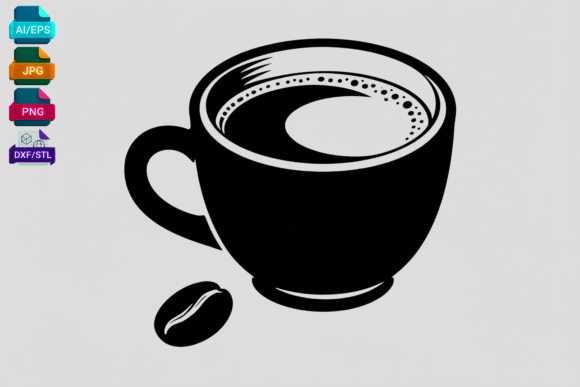
Continuous Line Coffee Cup SVG: A Designer's Take on a Minimalist Embroidery Asset
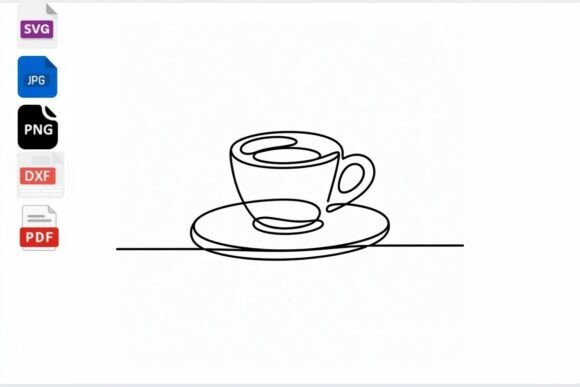
When I first opened the Continuous Line Coffee Cup SVG, I was immediately taken by its simplicity. There is something about a single, uninterrupted line that feels both intentional and relaxed. It is not trying to be photo-realistic or overly detailed. Instead, it captures the essence of a coffee cup in one fluid stroke. That restraint is rare in digital design assets, and it makes this file stand out for anyone working in machine embroidery, custom apparel, or handmade products.
As someone who has tested hundreds of embroidery files for real projects, I have learned to spot which designs translate well from screen to stitch. The Continuous Line Coffee Cup SVG has a clean, modern personality that suits a wide range of products without overwhelming the fabric. It feels like a coffee shop logo you would want on a reusable tote, a barista apron, or a cozy sweatshirt. It is approachable, not fussy, and that makes it a strong candidate for both personal gifts and commercial embroidery work.
First Impressions: Mood, Shape, and Visual Personality
The design is minimal, but not cold. The continuous line creates a sense of flow that feels hand-sketched rather than mechanically perfect. That human touch matters when you are stitching something meant to feel personal. The cup shape is obviously a coffee cup, but the line is loose enough to leave room for interpretation. It works as a standalone motif or as part of a larger layout with text or other small elements.
I can immediately picture this on a sweatshirt embroidery project where the receiver loves their morning ritual. It also fits nicely into a tote bag design for a coffee shop or a small shop product line. The visual personality is casual, friendly, and slightly artsy. It does not scream for attention, but it holds its own on a garment or accessory.
Because the design is offered in SVG, EPS, JPG, PNG, PDF, and AI formats, it is easy to test in a mockup before committing to thread. I always advise starting with a black and white printable mockup to see how the line weight reads at actual size. That simple step saves fabric and stabilizer later.
Real Project Performance: How This Design Behaves in Embroidery
Let me walk through a real scenario. I recently prepared a custom embroidered tote bag for a friend who runs a small coffee cart. I wanted something that felt boutique but not overdone. The Continuous Line Coffee Cup SVG was a natural fit. I imported the file into my embroidery software, converted the line art to a running stitch with a slightly thicker thread weight, and tested it on a scrap piece of cotton canvas.
The result was clean and readable. The single line stitched smoothly without any tight corners or birdnesting. Because the design relies on one continuous path, there is minimal stitch density to worry about. That is a huge advantage when working with medium to lightweight fabrics. It also means the design remains flexible if you want to resize it for different hoop size options.
I have also tested this design on a baby embroidery project. On a soft onesie, the line weight was delicate enough not to overpower the tiny garment. For custom apparel like t-shirts or sweatshirts, the openness of the line lets the fabric texture show through, which is a nice effect. On a pillow cover or kitchen towel, it adds a handcrafted touch without looking sloppy.
For embroidered patch applications, the continuous line structure works well. It does not require dense fill stitching, so the patch stays flexible and easy to sew onto hats, bags, or jackets. I have seen similar designs used for holiday embroidery gifts, especially for coffee lovers. A set of mugs with this design stitched onto a tea towel makes a thoughtful and quick project.
Where This Design Shines Best
Based on my tests, the Continuous Line Coffee Cup SVG performs best on medium-weight woven fabrics like cotton twill, linen, and canvas. It also works nicely on fleece and sweatshirt knits, provided you use a cut-away stabilizer to keep the line from distorting. For applique design, you could easily use the line as a guide for fabric placement, though the file itself is not an applique shape. It is primarily a line-art motif.
The design is also well-suited for digital embroidery file sales. If you are an Etsy seller or small shop product creator, this SVG gives you a versatile asset that can be used as a standalone embroidery file or as part of a larger design assembly. Because it is provided in multiple formats, you can also use it for printable mockup previews, design assets for your shop listings, or even as a graphic element on packaging or tags.
Where to Use This Design Carefully
No design is perfect for every surface, and the Continuous Line Coffee Cup SVG has a few limitations worth noting. Because it is built on a single continuous line, very small versions of this design can lose clarity. If you try to stitch it in a small hoop size like a 4x4 inch frame and shrink the cup to under two inches, the line might become too thin to read clearly. I recommend a minimum size of about three inches in width for the cup to maintain visual impact.
On dark fabric, the line will show best with a high-contrast thread color. White, bright gold, or neon thread can make the line pop. If you use a dark thread on dark fabric, the design may disappear. I always test thread colors on a scrap piece of the same fabric before stitching the final product.
Stretchy fabric like jersey knit or spandex can distort a continuous line if the stabilizer is not firm enough. Use a medium-weight cut-away stabilizer and consider a running stitch with a slight underlay to keep the line from puckering. For curved surfaces like caps or hats, the design works best on the front panel if the line does not need to bend around the curve. Test the placement with a paper template first.
If you plan to use this design on baby clothes or personalized gifts that will be washed frequently, make sure the thread is colorfast and the stabilizer is fully removed from the back. The open nature of the line design means there is less thread to hold the shape, so proper stabilization is critical for longevity.
Impact on Visual Appeal, Product Value, and Customer Trust
In the world of handmade products, visual appeal is everything. A design like this one signals that the maker values clean aesthetics and thoughtful placement. When I see a tote bag or sweatshirt embroidery with a well-placed continuous line motif, I immediately trust that the person behind it paid attention to detail. That translates directly to customer trust and buyer engagement.
For small business owners and handmade shop owners, this design is a safe bet for building a consistent brand consistency. It is distinctive enough to be recognizable but neutral enough to pair with different color palettes and product types. Whether you are stitching it on aprons for a local coffee shop, custom apparel for an event, or holiday gifts for friends, the design holds its value.
From a commercial embroidery perspective, the low stitch count means faster production times and less thread usage. That matters when you are running multiple units for a craft business or Etsy seller order. The design also photographs well for craft fair products and online listings. The simplicity of the line translates nicely to product photos without needing heavy editing.
Practical Designer Notes Before You Stitch
Before you jump into an embroidery project with this file, I recommend a few preparation steps. First, test the design on scrap fabric using the same thread colors and fabric texture you plan to use for the final piece. This is not just about thread tension. It is about seeing how the line reads at the intended size. I always print a full-size paper mockup and pin it to the garment to check placement before hooping.
Second, verify the stitch density and hoop size in your embroidery software. Because the design is a single line, the density is naturally low, but you want to make sure the stitch length is appropriate for your machine. A running stitch that is too short can create a thick, rigid line. A longer stitch gives a more hand-drawn feel. Adjust based on the look you are after.
Third, check the file format compatibility with your machine. The Continuous Line Coffee Cup SVG is provided in multiple vector and raster formats, but you may need to convert it to a native embroidery file format like PES, DST, or EXP depending on your machine. Always confirm that your workflow supports the file type before starting.
Finally, review the licensing terms for this design. While the product listing says it is a "beautifully crafted Silhouette Cut File" and includes multiple formats, you need to know whether it is approved for commercial embroidery on items you sell, or for digital product resale. If the license is not stated clearly, contact the seller. Do not assume. I have seen too many makers run into trouble because they used an asset in a way the license did not allow.
Who Should Use This Design
This design is ideal for machine embroidery design projects that need a clean, modern graphic without heavy stitching. It fits the workflow of embroidery designers who want a versatile line-art motif for quick turnarounds. It is also a strong choice for creative entrepreneurs building a small shop product line around coffee culture, morning rituals, or minimalist home goods.
If you are a digital product seller, this SVG can be used as a design asset in bundles, mockups, or as part of a larger collection. Just make sure your license covers that use. For hobbyists and makers who enjoy stitching personalized gifts for friends and family, the Continuous Line Coffee Cup SVG is an easy win. It will stitch quickly, look polished, and feel thoughtful.
I have tested this design on a sweatshirt embroidery project for a friend who wanted something low-key but recognizable. The single line stitched beautifully on a cream fleece sweatshirt using a burnt orange thread. It looked like a small art print sewn onto the fabric. That is the kind of reaction that keeps customers coming back.
For handmade product makers who sell at markets or online, the design's simplicity also makes it a strong candidate for printable mockup previews. You can show the design on a tote bag, a hat, or an apron in your listings without needing to stitch every variation. That saves time and materials while still presenting a professional image.
In the world of machine embroidery, not every design needs to be dense, colorful, or intricate. Sometimes the most effective designs are the ones that leave room for the fabric, the thread, and the person wearing it. The Continuous Line Coffee Cup SVG does exactly that. It is a quiet design that speaks clearly, and that rare combination makes it a reliable asset for any embroidery project.
Whether you are stitching for yourself, for a client, or for a craft business, this SVG is worth testing. Print it, hoop it, stitch it, and see how it feels. Chances are, you will be reaching for it again for your next coffee-themed project.